Christmas Tree Skirts: Velvet, Burlap and Felt Ideas
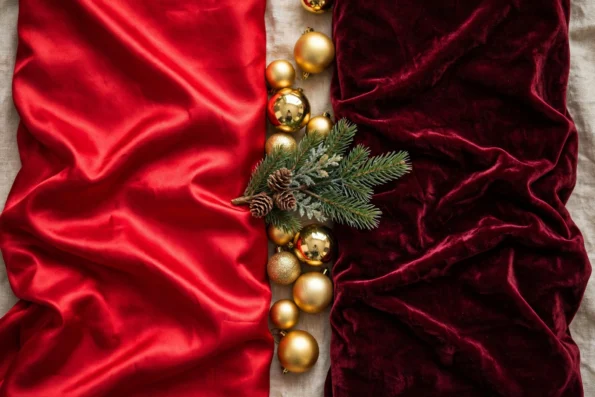
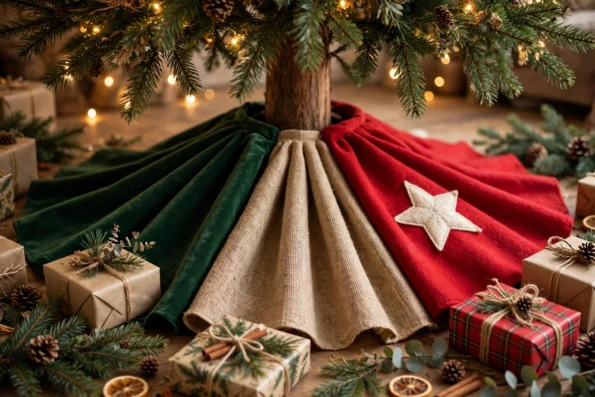
The tree skirt is the frame of the whole Christmas tree The tree gets all the attention, but the tree skirt is what finishes the picture. It hides the tree stand, catches the falling needles, and gives the presents a place to sit — and it is one of the easiest Christmas makes there is: a circle of fabric, a little trim, and an afternoon of sewing. Three fabrics make the best tree skirts, and they give very different trees: velvet is the luxurious one, burlap is the rustic one, and felt is the crafty one. Here is how they compare, and which one suits your tree. Velvet tree skirts: the luxury finish A velvet tree skirt is the skirt on the cover of the Christmas catalogue. Deep burgundy, forest green or navy velvet, finished with a cream faux-fur trim or a gold braid, makes the base of the tree look as considered as the top. Velvet’s pile catches the light, so the skirt changes colour as you walk past the tree, and it photographs beautifully — which matters, because the tree skirt is in every Christmas morning photograph. Velvet is also practical under a tree. It is heavy enough to lie flat and stay put, it hides the tree stand completely, and it catches needles without showing them. A velvet tree skirt with a faux-fur edge is the classic luxury look. Our Premium Velvet includes soft stretch velvet in 49 colours, and the Velvet Fabric collection covers royal velvet and silk rayon velvet too. Velvet is the most demanding of the three to sew: it slips under the machine, shows pin marks, and pressing it the wrong way crushes the pile. Use a walking foot, pin inside the seam allowance, and steam rather than iron. It is also the least washable — spot-clean a velvet tree skirt, or dry-clean it if it needs more. Burlap tree skirts: the rustic, farmhouse favourite A burlap tree skirt is the opposite of velvet — and just as popular. Natural jute burlap, in its warm honey colour, gives the tree a farmhouse, country-Christmas feel that suits wooden ornaments, dried oranges, cinnamon sticks and simple white lights. A burlap tree skirt looks handmade in the best way, and it is the easiest of the three to make: burlap cuts cleanly, it does not slip, and a simple circle with a bound edge is a one-afternoon project. Burlap is also the toughest fabric under a tree. It does not mind needles, it does not show dirt, and it can be shaken out and spot-cleaned after Christmas. It is the cheapest of the three per yard — a single yard or two covers a generous skirt. Add a lace overlay or a red ribbon trim and the rustic look turns elegant. Our Jute & Burlap collection covers hessian jute and natural jute burlap by the yard. Burlap’s one limit is that it sheds a little — shake it out before you bring it inside, and keep it away from very fine ornaments that might catch on the weave. It is also stiffer than velvet or felt, so it does not drape as softly; a burlap tree skirt looks structured rather than flowing, which is exactly the farmhouse look most people want. Felt tree skirts: the crafty, colourful choice Felt makes the most creative tree skirt of the three. Premium acrylic felt comes in Christmas reds, forest greens, cream, gold and white, it cuts cleanly without fraying, and it glues as well as it sews — so a felt tree skirt can be decorated with appliqué shapes, embroidered names, sequins, buttons and pom-poms, all without a sewing machine. It is the best choice for a tree skirt made with children, or for a skirt that is decorated as much as it is sewn. A felt tree skirt is also the most customisable. Cut it in a circle, a scalloped edge or a star shape; layer two colours for a reversible skirt; add a felt appliqué border of trees, stars or snowflakes. Felt is stiff enough to hold its shape under the tree, so the skirt stays neat all December, and it is sold by the yard, so one cut covers a generous skirt with fabric to spare for matching stockings. Our Premium Acrylic Felt is the same felt used in our Christmas crafts with felt guide. Felt’s limit is that it is not soft or flowing: a felt tree skirt looks crisp and crafted rather than draped, and it is the least washable of the three — spot-clean it rather than machine-washing it, and keep it dry. Velvet, burlap and felt tree skirts at a glance Look: velvet is rich and luxurious, burlap is warm and rustic, felt is bright and crafty. A velvet skirt suits a formal tree; a burlap skirt suits a farmhouse tree; a felt skirt suits a family tree full of handmade ornaments. Ease of making: burlap is the easiest to sew, felt is the easiest to cut and glue, and velvet is the hardest — it slips, shows pin marks and needs steaming rather than ironing. Durability: burlap is the toughest and easiest to clean; velvet lasts for years with gentle handling; felt holds its shape for years if kept dry. Cost per skirt: burlap is cheapest, felt is in the middle, velvet is most expensive — but a tree skirt needs only one to two yards, so the difference per skirt is small, and any of the three costs far less than a shop-bought skirt. How much fabric do I need for a tree skirt? Most tree skirts are 48 to 60 inches across, which means one to two yards of 58 to 60 inch wide fabric, depending on the size of your tree. A single yard makes a skirt up to about 54 inches across if you cut the circle from the full width; a larger tree, or a skirt with a gathered or ruffled edge, needs two yards.