Cotton Flannel: What It’s For and How to Choose the Right Weight
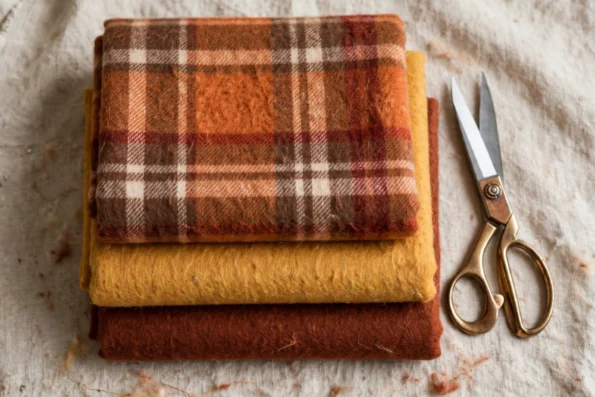
Why cotton flannel is the cosy fabric everyone reaches for in autumn There is a reason cotton flannel shows up every autumn in pyjamas, shirts, blankets, and baby wraps: it is soft on both sides, warm without being heavy, and easy to sew. If you have ever wondered what makes flannel different from ordinary cotton, how to choose the right weight, or what to make with it, this guide answers all three — and points you to a real product you can buy by the yard. Cotton flannel starts life as ordinary cotton yarn, but it is woven and then brushed — a process called napping — that raises a soft, fuzzy surface on one or both sides. That brushed surface traps warm air, which is why flannel feels instantly cosy against the skin. It is the fabric equivalent of a warm hug: breathable like cotton, but with a softness that plain cotton cannot match. What is cotton flannel, exactly? Cotton flannel is a soft, medium-weight cotton fabric with a napped, brushed finish. Unlike fleece, which is usually synthetic and made from polyester, cotton flannel is a woven cotton fabric — breathable, natural-feeling, and easy to care for. Unlike plain cotton quilting fabric, it has that distinctive fuzzy surface that makes it feel thicker and warmer than its weight suggests. Most cotton flannel is brushed on both sides (double-napped), which makes it ideal for items worn next to the skin, such as pyjamas, nightgowns, and baby blankets. Single-napped flannel, brushed on one side only, is often used for shirts and outer layers where a smoother face is wanted. When you are shopping, the product description will usually tell you which you are getting — and if you are unsure, a swatch or a quick look at the listing photos will show the difference. How to choose the right weight Flannel weight is usually described in general terms — light, medium, or heavy — rather than by a single number, because the brushed finish makes it feel fuller than a flat fabric of the same weight. As a rule of thumb, lighter flannel suits shirts, children’s clothes, and layering pieces, while medium flannel is the all-rounder for pyjamas, blankets, and throws. Heavier flannel is best for outer shirts, jackets, and sturdy bedding that needs to hold up to regular washing. Think about the end use first. A baby blanket needs softness above all, so a medium, double-napped flannel is a safe choice. A work shirt needs durability, so look for a slightly heavier, tightly woven flannel. A throw blanket needs drape as well as warmth, so a medium weight that folds softly will look and feel better than a stiff, heavy one. If you are choosing between two options, the one that feels softest in the hand is usually the right one for anything worn against the skin. What can you make with cotton flannel? Pyjamas, nightgowns, and loungewear This is flannel’s home territory. Its softness, breathability, and easy washing make it perfect for sleepwear for adults and children alike. Classic plaids are traditional, but solid flannels make elegant, modern pyjamas too — and because flannel is easy to sew, it is a forgiving first project for anyone making sleepwear. Blankets, throws, and baby wraps Flannel blankets are warm without the weight of a quilt, and they wash well — a practical combination for children’s bedding and everyday throws. For baby projects, choose a soft, well-washed flannel and pre-wash your fabric before cutting, as cotton can shrink on its first wash. Shirts, dresses, and skirts Brushed flannel makes wonderfully comfortable casual shirts and cosy autumn dresses. Plaid flannel shirts are a classic, but a solid or subtly checked flannel can look smart enough for everyday wear. Because flannel has a little natural give from its brushed surface, it is comfortable to wear all day. Quilts, pillowcases, and home décor Flannel is a popular backing for quilts, because it adds warmth without adding bulk, and it makes pillowcases that feel soft on cold nights. It also works for seasonal table runners, cushion covers, and craft projects where a soft, matte texture is wanted. Choosing prints and colours Flannel comes in everything from classic tartan plaids to woodland prints, checks, and solids. Plaids are timeless for autumn and winter, and they hide wear well, which is why they dominate pyjama and shirt patterns. Solids are more versatile: a solid flannel in a warm rust, forest, or cream can be used for almost any project and pairs easily with other fabrics. If you are making a gift, a print with a story — woodland animals for a child, or a classic plaid for a traditionalist — adds a personal touch. When you are buying online, remember that screens can shift colours slightly. If an exact colour match matters — for example, matching an existing quilt — order a little extra from the same listing so your project comes from one dye lot and one continuous cut. Sewing and care tips Always pre-wash cotton flannel before cutting. Cotton shrinks, and flannel’s brushed surface can shed a little lint on its first wash, so washing first means your finished garment keeps its size and shape. Use a universal needle and a slightly longer stitch length than you would for plain cotton, and finish your seams — flannel frays more than flat cotton, so a zigzag or overlocked edge will keep your project tidy. Press with a warm iron and a little steam, but avoid pressing too hard, which can flatten the brushed nap. For everyday care, machine wash in cool or warm water and tumble dry on low, following the care details on the exact product listing. Flannel gets softer with washing, which is one of its great pleasures — a well-loved flannel shirt or blanket only improves with age. How much fabric do you need? For a simple adult pyjama set, most patterns call for a few yards, depending on size and whether the